Eighteenth-century Italian painter Giulia Lama: an unwelcome professional woman in the Venetian art scene
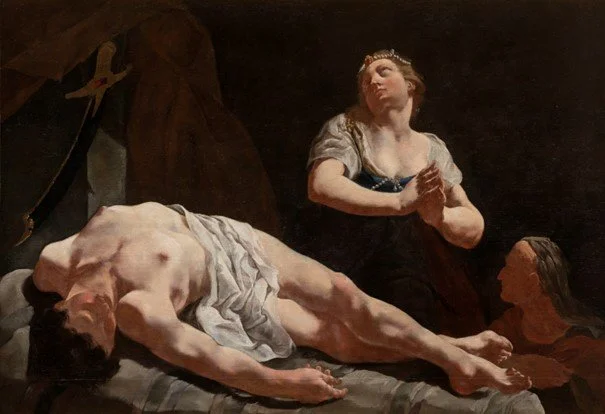
In my search for forgotten Italian female artists of yesteryear, inspired by the work carried out by the American fhilantropist Jane Fortune and her team at the Advanced Women Artist Foundation (AWA) in Florence between 2007 and 2021, I did a remarkable discovery. In Forune’s book Invisible Women, published in 2009, she mentions in passing the Venetian painter Giulia Lama (1681–1747). I’d never heard of her, so I did a quick Google search and, apart from a portrait and a self-portrait, I found just one painting. But what a painting it is: a truly remarkable interpretation of the motif of Judith and Holofernes, a biblical story depicted by many renowned artists in the sixteenth and seventeenth centuries. What’s more, Giulia Lama depicts an almost naked man here, something that was highly unusual for a woman of her time. And that’s not all: the man’s pose is very difficult to paint, and it shows that she also had a very strong technical command of her craft. I want to find out more about this – and who exactly is this Giulia Lama?
Life and Rejection
The fact that women in the distant past were able to work as artists was often down to the fact that they had a father who was an artist. Women in general were restricted in their freedom of movement, and those with a talent for painting or sculpture were not permitted to attend an academy or any other type of school, particularly because they were not allowed to see or depict the male nude. (fig. 1) These women learnt their craft in their fathers’ studios, and due to this lack of academic training, portraits and still lifes were usually their subjects. Giulia Lama, too, had a father who was an artist. She was the eldest daughter of the painter Agostino Lama, who was married to Valentina Dell’Avese. Giulia had two sisters and two brothers. She lived her entire life in Venice and appears not to have been married or to have had any children. We do not know very much about her, and it was not until the twentieth century that she became the subject of any research. There is also hardly any visual material of her available, apart from that found in old sources, and even then only in black and white. Many of her works have been probably also been attributed to others.
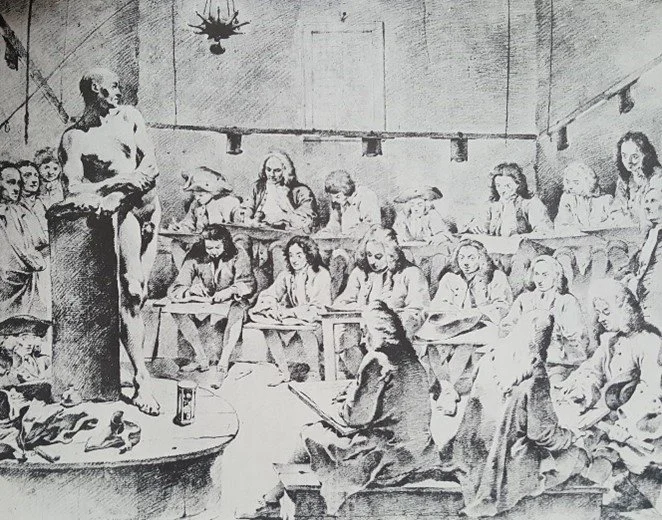
Fig. 1. Giambattista Tiepolo, Nude study from a model, c. 1718, pencil drawing, Milan, private collection.
This is what a lesson like that looked like in Giulia’s day. Not a woman in sight!
The story goes that she first studied mathematics and only later took up painting. And that she did not confine herself to portraits (figs. 2, 3) but also produced large-scale works on religious subjects. (figs. 4, 5) Furthermore, she was the first woman to paint male nudes, and some 200 of her sketches have been found which show that she was skilled at depicting the human body – both male and female – as realistically as possible. (figs. 6, 7) This also suggests that, in one way or another, she must have had the opportunity to study the male nude at a school or with a colleague, we do not know for certain. She also appeared to have been a much sought-after artist, with clients from ecclesiastical circles commissioning large-scale works for churches or monasteries. And on top of that, she was also a poet.
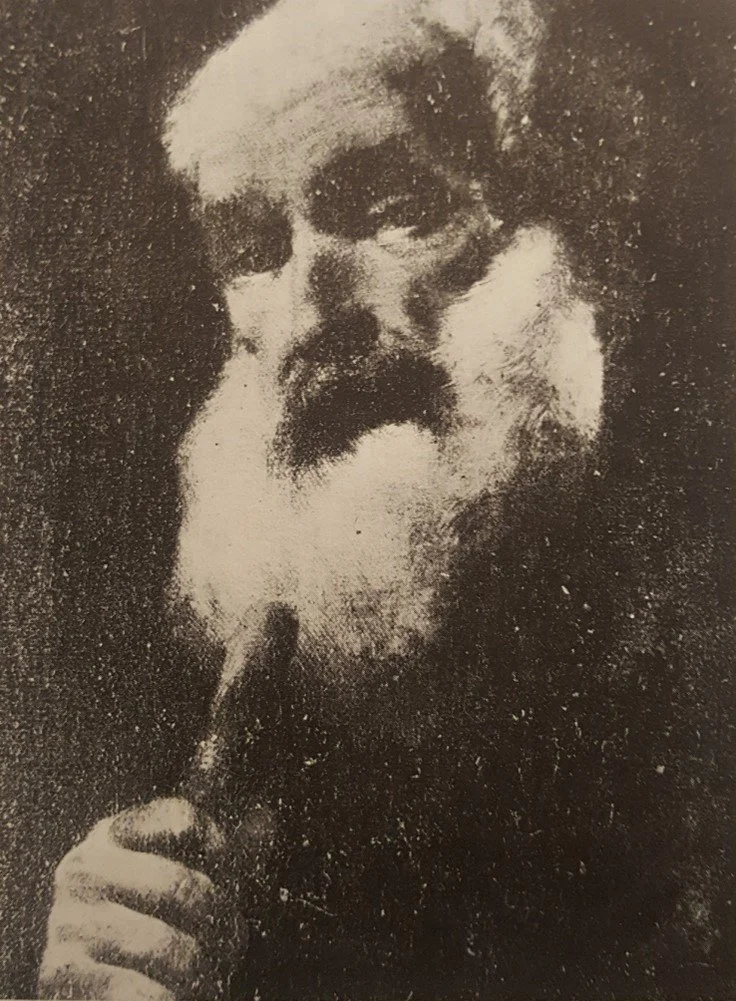
Fig. 2. Giulia Lama, Portrait of an Old Man, Vicenza, Museo Civico
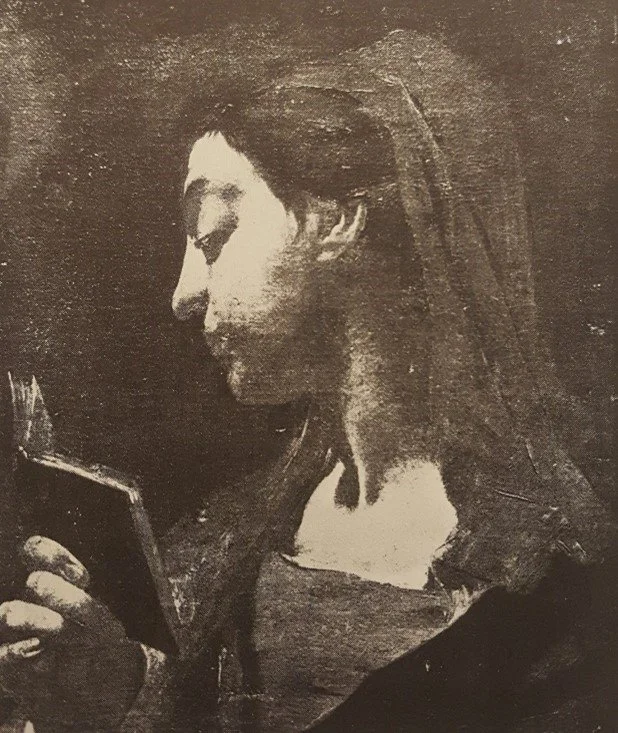
Fig. 3. Giulia Lama, Saint Reading from a Prayer Book?, Venice, Ca’Rezzonico
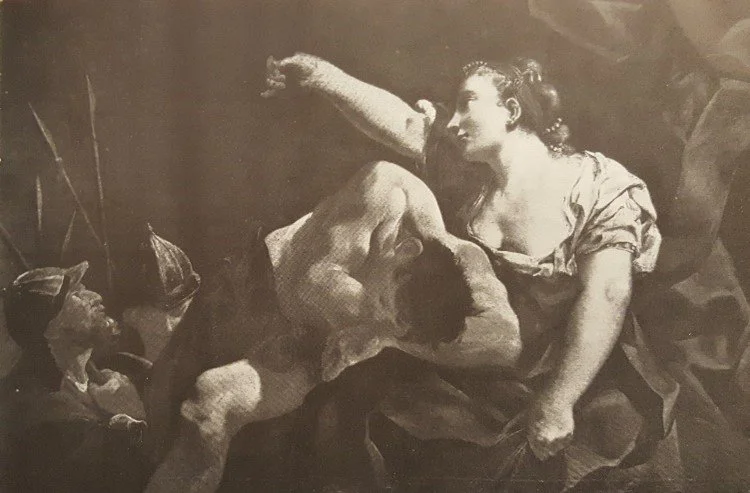
Fig. 4. Giulia Lama, Samson and Delilah, (date and location unknown)
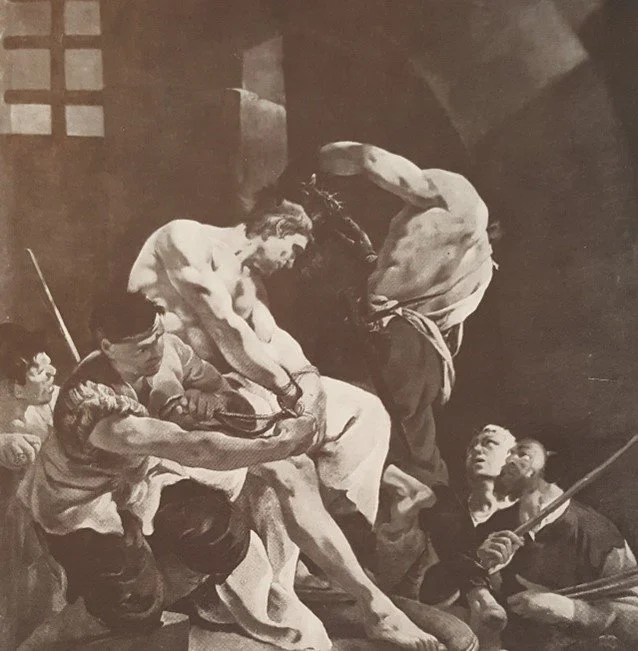
Fig. 5. Giulia Lama, The Crowning with Thorns, Padua, Camaldolese Hermitage, Monte Rua
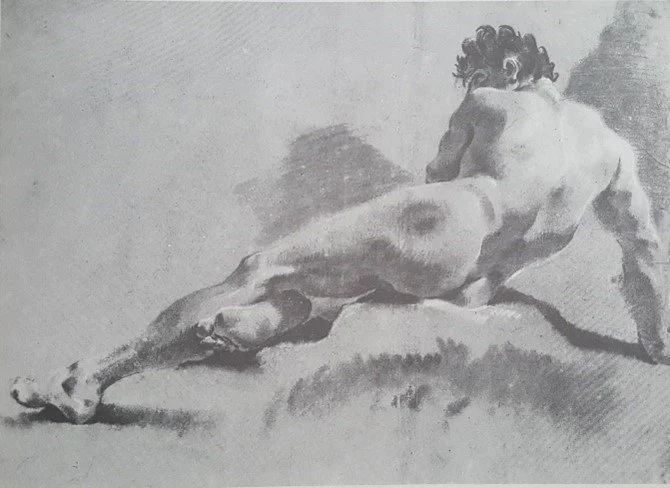
Fig. 6. Giulia Lama, Male Nude Lying on his Back, Venice, Museo Correr
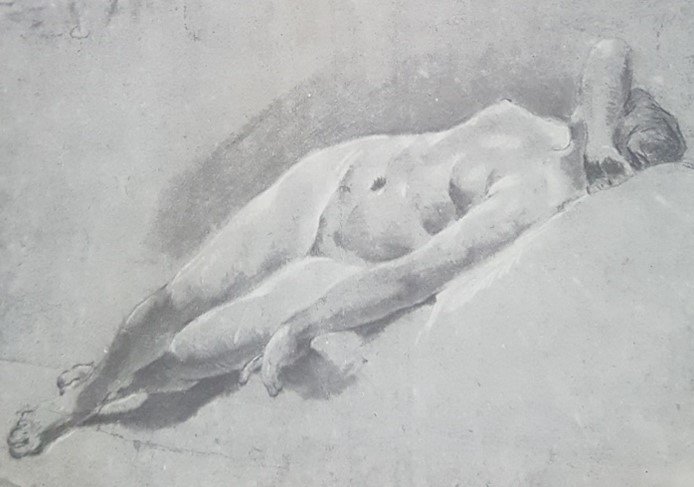
Fig. 7. Giulia Lama, Reclining Female Nude, Venice, Museo Correr
These are powerful works, painted with sweeping brushstrokes. They feature a very strong light-dark contrast – known as ‘chiaroscuro’ in Italian and ‘clair-obscur’ in French – which she plays with. The depiction of the human body plays a major role. It was in the depiction of the human body that artists sought to excel and to outdo one another, competing to challenge each other, although it is questionable whether this worked out well for Giulia Lama.
For, as the scarce sources reveal, Giulia did not have it easy during her lifetime, particularly in her dealings with colleagues. She was not accepted as an artist. Giulia is said not to have been the most beautiful of women, a fact which caused her great distress. Thus, a certain Abbot Antonio Conti wrote on 1 May 1728 in a letter from Venice to an acquaintance, Madame de Caylus, in Paris:
“I have just discovered a woman here who paints better than Rosalba [Carriera, a portraitist who was famous in Venice in her day but produced very different work]. Her name is Giulia Lama; she studied mathematics in her youth under the famous Father Maffei. The poor woman is persecuted by the painters, but her virtue triumphs over her enemies. It is true that she possesses as much ugliness as she does humour, but she speaks with grace and finesse, so her face is easily forgiven. (…). And she leads a very reclusive life.”
And it gets worse: the criticism of her appearance leads her colleagues to say that they cannot imagine a woman who is so unattractive being capable of painting such remarkable works!
Yet she does not let it get to her and paints her self-portrait as an artist, which now hangs in the Corridoio Vasariano in Florence, the passageway between the Palazzo Vecchio and the Palazzo Pitti. (fig. 8) It is as though Giulia is sending a message that she is every bit as good as her male colleagues. She was never a member of the painters’ guild, which meant she never officially held the profession of artist, though she remained a rival to her peers. For her many patrons, the fact that she was not registered was apparently no obstacle, given the numerous commissions she received. Furthermore, she is said to have led a very reclusive life. The question is whether this was of her own free will.
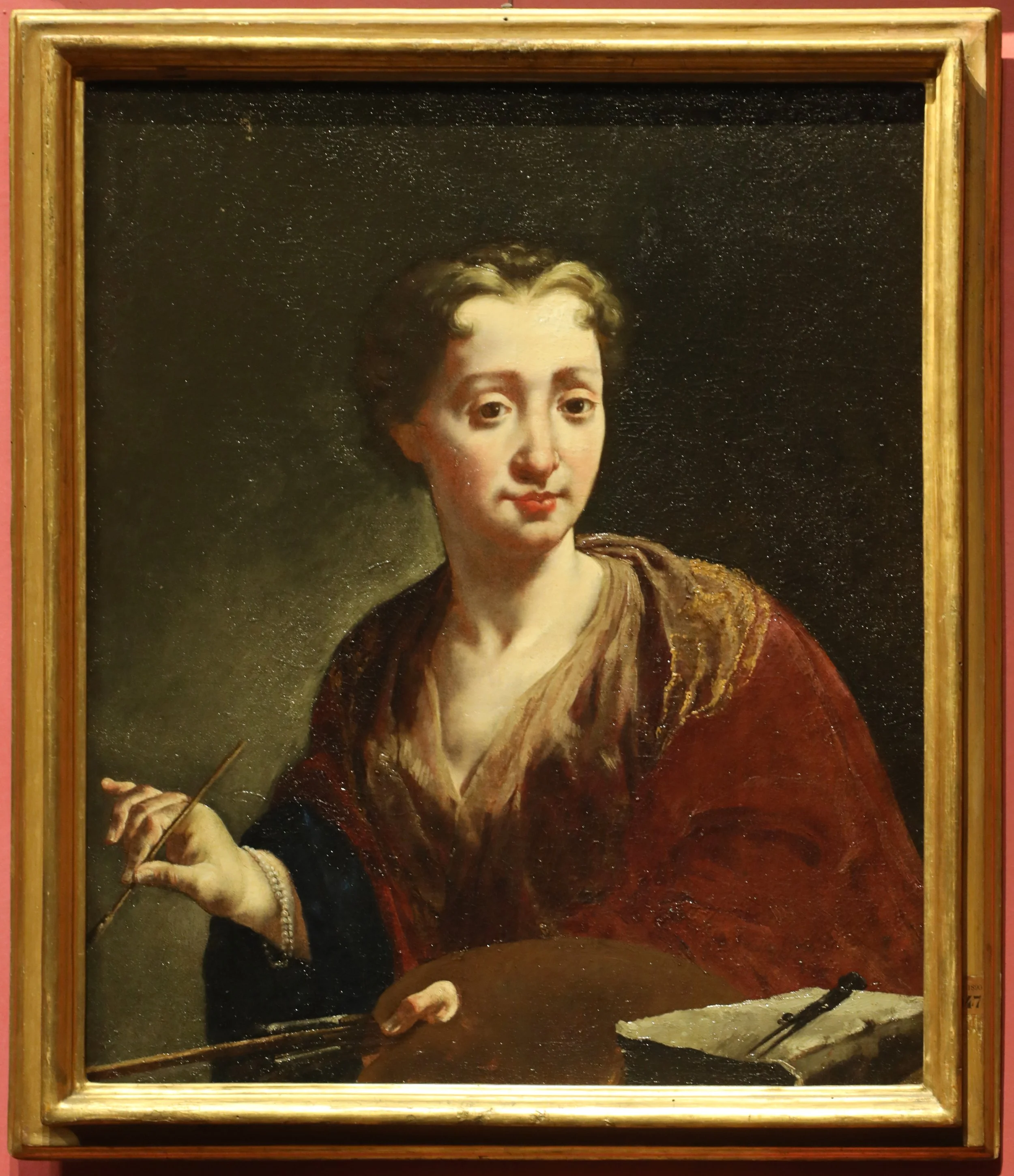
Fig. 8. Giulia Lama, Self-Portrait, 1725, Florence, Uffizi Gallery/Vasari Corridor
There was one colleague with whom she was on friendly terms. When she was around 30 years old, she is said to have sought out the successful Venetian painter Giovanni Battista or Giambattista Piazzetta (1683–1754), a contemporary of hers. She is said to have been fascinated by the chiaroscuro in his paintings, which appealed to her. (fig. 9) It developed into a close friendship; they had mutual appreciation for each other’s work and influenced one another. She was not his pupil, as has been claimed; both artists were on friendly terms. Out of admiration for her, he painted her portrait, and here too – just as in her self-portrait – he depicted her with brush and palette, as a proud artist. (fig. 10)
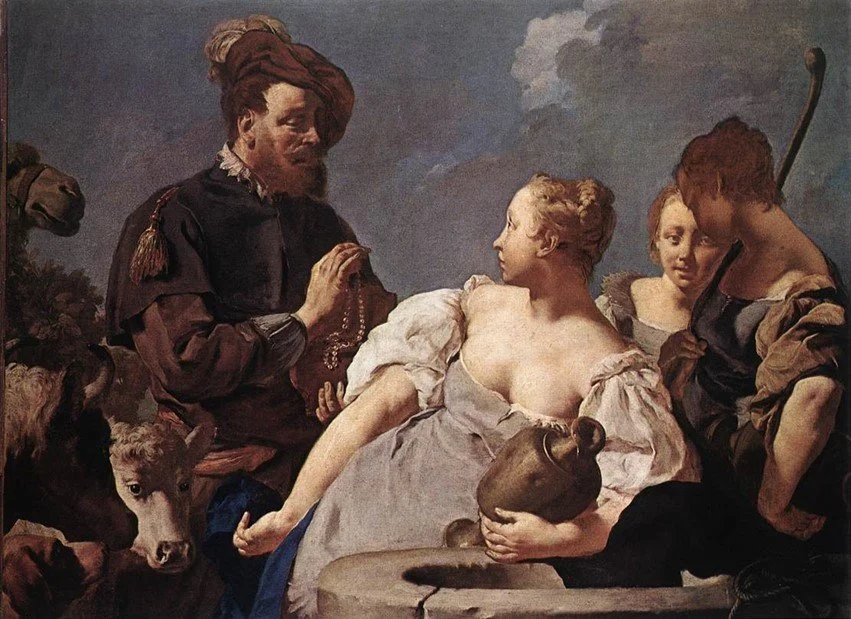
Fig. 9. Giovanni Battista Piazetti, Rebecca and Eliezer at the Well, c. 1740, oil on canvas, 102 x 137 cm, Milan, Pinacoteca di Brera
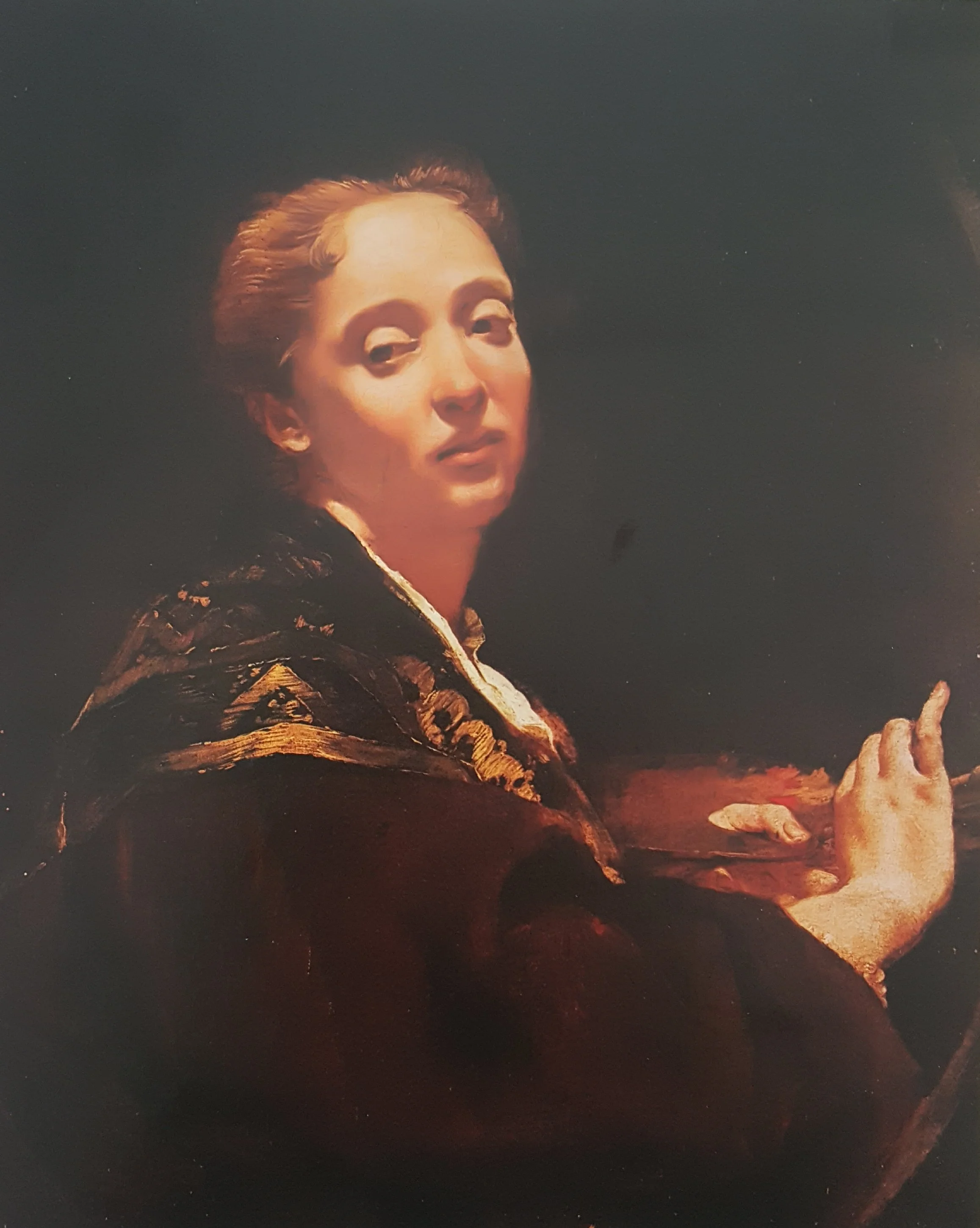
Fig. 10. Giovanni Battista Piazetta, Portrait of Giulia Lama, c. 1715–1720, oil on canvas, 69.4 × 55.5 cm, Madrid, Museo Nacional Thyssen-Bornemisza
Giulia’s Judith and Holofernes
And then there is Giulia’s interpretation of the motif of Judith and Holofernes, a biblical story that was very popular with patrons in the sixteenth, seventeenth and eighteenth centuries. Its violent nature apparently did not put them off. First of all, the story.
Judith is a devout, beautiful and wealthy Jewish widow who lives in the mountain village of Betulia, which is under siege by the Babylonian general Holofernes. Under a pretext, she enters his tent. He hopes for a long, passionate night of love and therefore sends his servants away. But Judith has a different plan. She gets Holofernes drunk and, together with her maid, beheads him, in the hope of saving her fellow villagers. And that is exactly what happens: his soldiers flee when they realise their leader is dead.
I have seen many paintings on this theme, and they always depict either the moment when Judith, with the help of her maid, carries out the act, or the moment immediately afterwards. That is why it struck me straight away that Giulia Lama has chosen a completely different moment here. I wondered whether there might be other artists who had also approached the subject in such a different way, and the gods were on my side: I was tipped off that there had been an exhibition on this motif at the Palazzo Barberini in Rome in 2021, a sort of comparative study. And an exhibition goes hand in hand with a catalogue.
Having studied it thoroughly, my assumption that this is something special appears, for the time being, to be correct. Below are a number of examples of how other – both female and male – Italian painters from the sixteenth and seventeenth centuries depicted this subject. There are many more works on this subject, including those by French and German painters and artists from the Southern and Northern Netherlands, but I have selected the works that Giulia might have seen. (figs. 11, 12, 13, 14, 15)
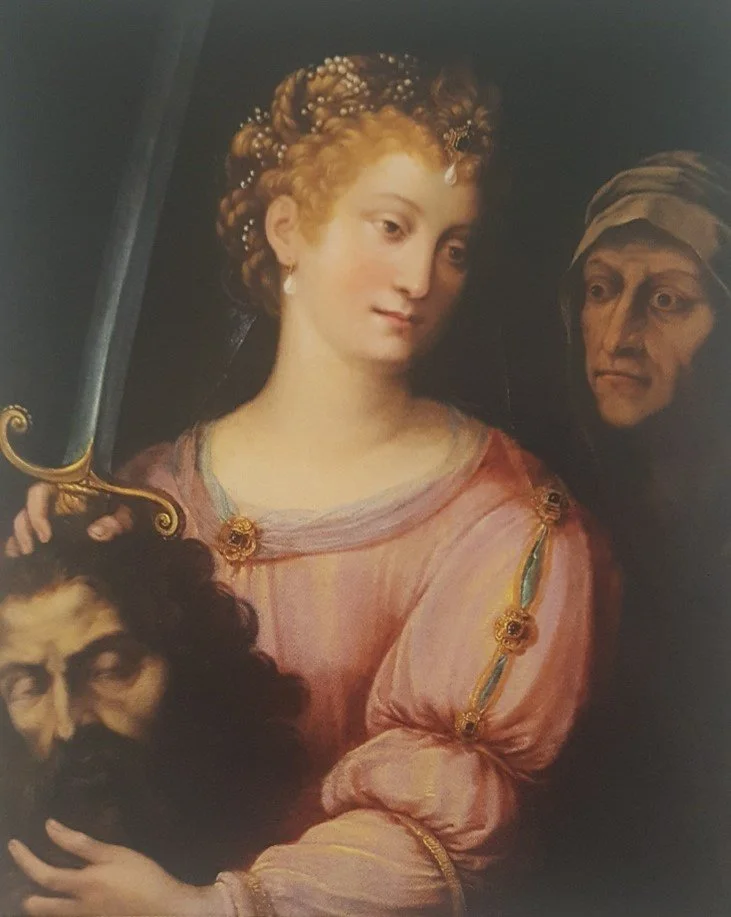
Fig. 11. Fede Galizia, Judith with the Head of Holofernes, c. 1590, oil on canvas, private collection
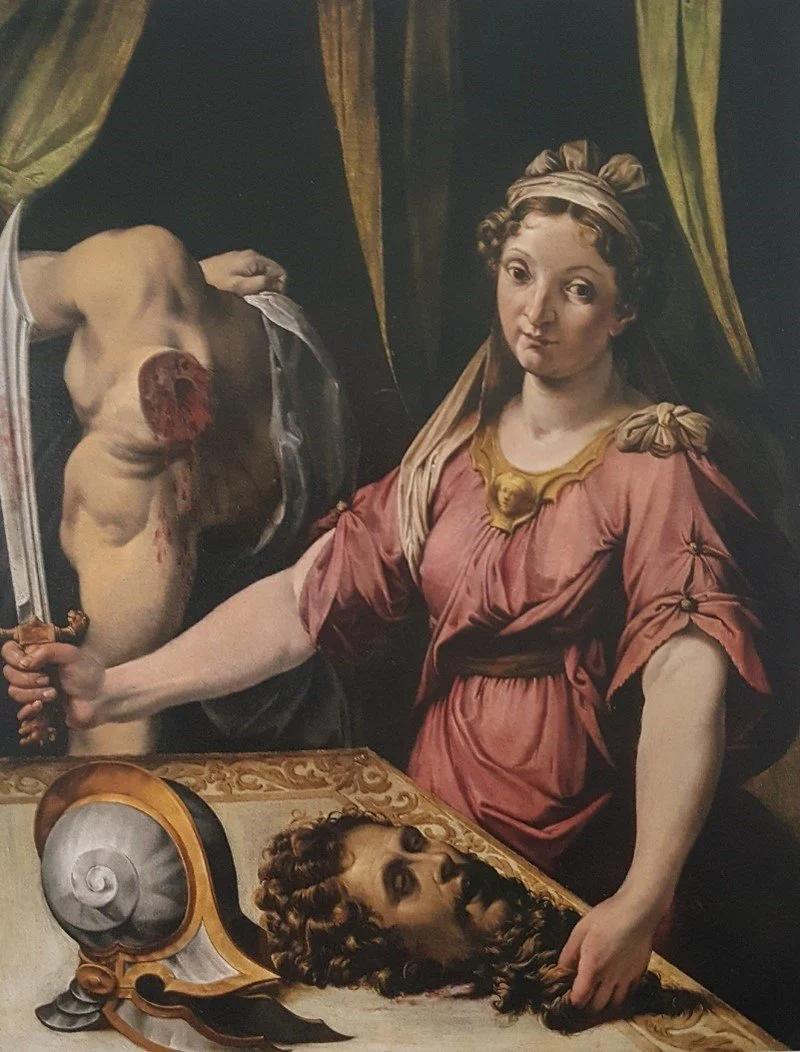
Fig. 12. Agostino Carracci, Judith with the Head of Holofernes, c. 1580, oil on canvas, Bologna, Quadreria di Palazzo Magnani
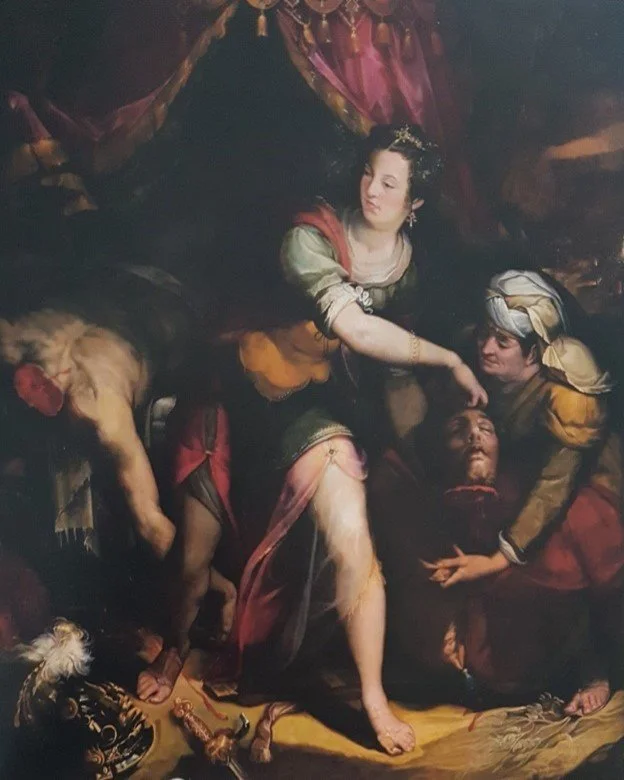
Fig. 13. Lavinia Fontana, Judith Presenting the Head of Holofernes to her Maidservant, c. 1595, oil on canvas, 209 x 170 cm, Parma, Pinacoteca Stuard
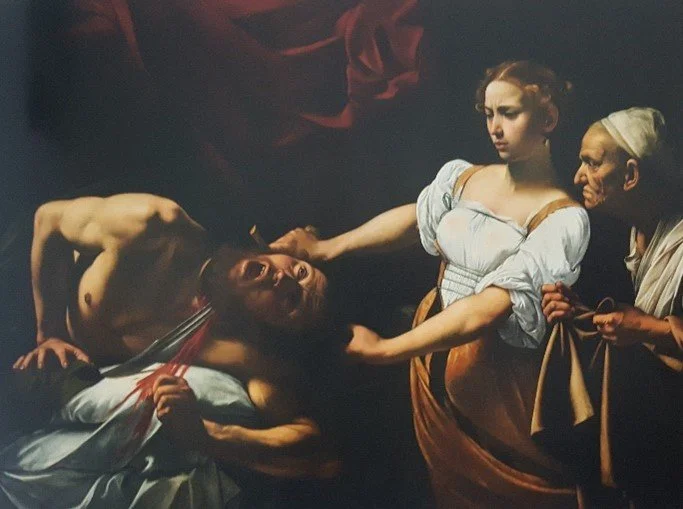
Fig. 14. Michelangelo Merisi da Caravaggio, Judith Beheading Holofernes, c. 1600, oil on canvas, 145 x 195 cm, Rome, Palazzo Barberini
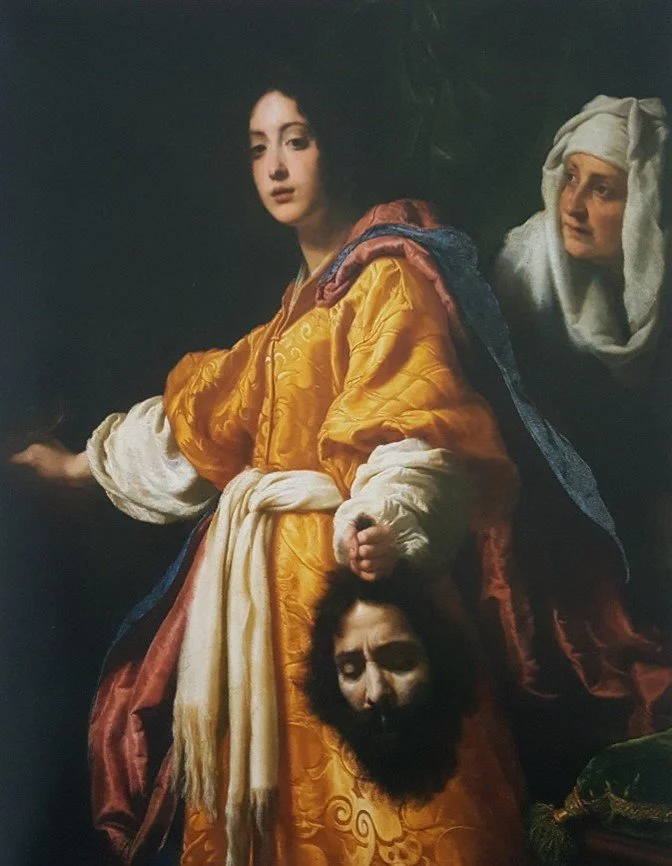
Fig. 15. Cristofano Allori, Judith with the Head of Holofernes, c. 1611, oil on canvas, 139 x 116 cm, Florence, Uffizi Gallery
And then, over a hundred years later, we have Giulia Lama’s version of this story. (fig. 16) Here, she does not choose the moment of the beheading or immediately afterwards, but rather the moment just before it. It is a work with a strong light-and-shadow effect, as if a fierce light source were shining from left to right across the body of Holofernes and onto Judith. The body of the drunken Holofernes lies artfully draped in the foreground in a pose that is not even that easy to paint: we call this ‘strong foreshortening’, and you need to have a very good grasp of the laws of perspective to be able to suggest depth in this way. Giulia must have been more of a ‘beta’ than an ‘alpha’; her maths studies certainly came in handy. Less obvious is the sword depicted on the left, in the dark section of the painting.
Judith holds her hands in a prayerful position and looks upwards, as if she is fully aware of the act she intends to commit and is asking God for permission to do so. The image is not violent – although we do know what is about to happen – and is, above all, contemplative. It is quite remarkable that she deviates so markedly from the pictorial tradition with which she was undoubtedly familiar. She remained an independent artist who made her own choices. As for the reasons behind her choice, we can only speculate.
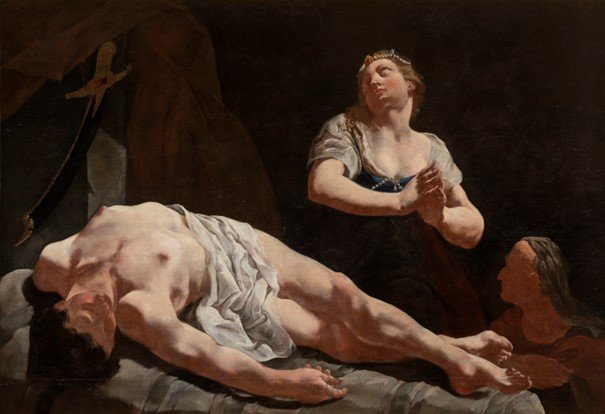
Fig. 16. Giulia Lama, Judith and Holofernes, oil on canvas, c. 1725–1730, 131.5 × 178.6 cm, Venice, Galleria dell’Accademia (the work is signed)
Naturally, I also took a moment to see whether her close friend Giovanni Battista Piazetta had depicted this theme. He painted it four times. What is remarkable is that he, too, departs from the conventional depiction of the moment of the beheading itself or the moment immediately afterwards, and also chooses a moment preceding the beheading. I am going through the works in chronological order. In fig. 17, Judith appears to be looking at the sword; in a sense, she is embracing it, but it may also be that she is looking upwards towards something further away. And if you look closely, she is pointing straight upwards with her index finger. Could she be seeking contact here with God, who will justify her deed? This work was painted before that of Giulia Lama. She may well have been inspired by this work by Piazetta in making her own choice. In any case, both artists choose the moment preceding the deed. And this remains the case in Piazetta’s other works. In fig. 18, Judith is already clutching the sword and appears to be asking for divine support, beautifully depicted by the full light shining on her face. In fig. 19, the decision has been made and the sword in Judith’s hands is on its way to Holofernes’s neck. And in fig. 20, Piazetta’s Judith appears to be hesitating once more; she seems taken by surprise, staggering slightly backwards, with the sword in her hand. Or does she wish to take just one last look at that handsome Holofernes before her duty calls her?
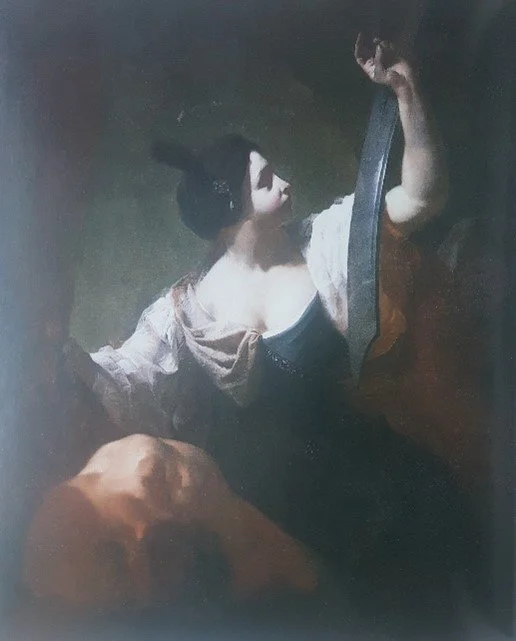
Fig. 17. Giambattista Piazetta, Judith and Holofernes, c. 1715–1720, oil on canvas, 98 x 114 cm, Rome, Galleria Corsini
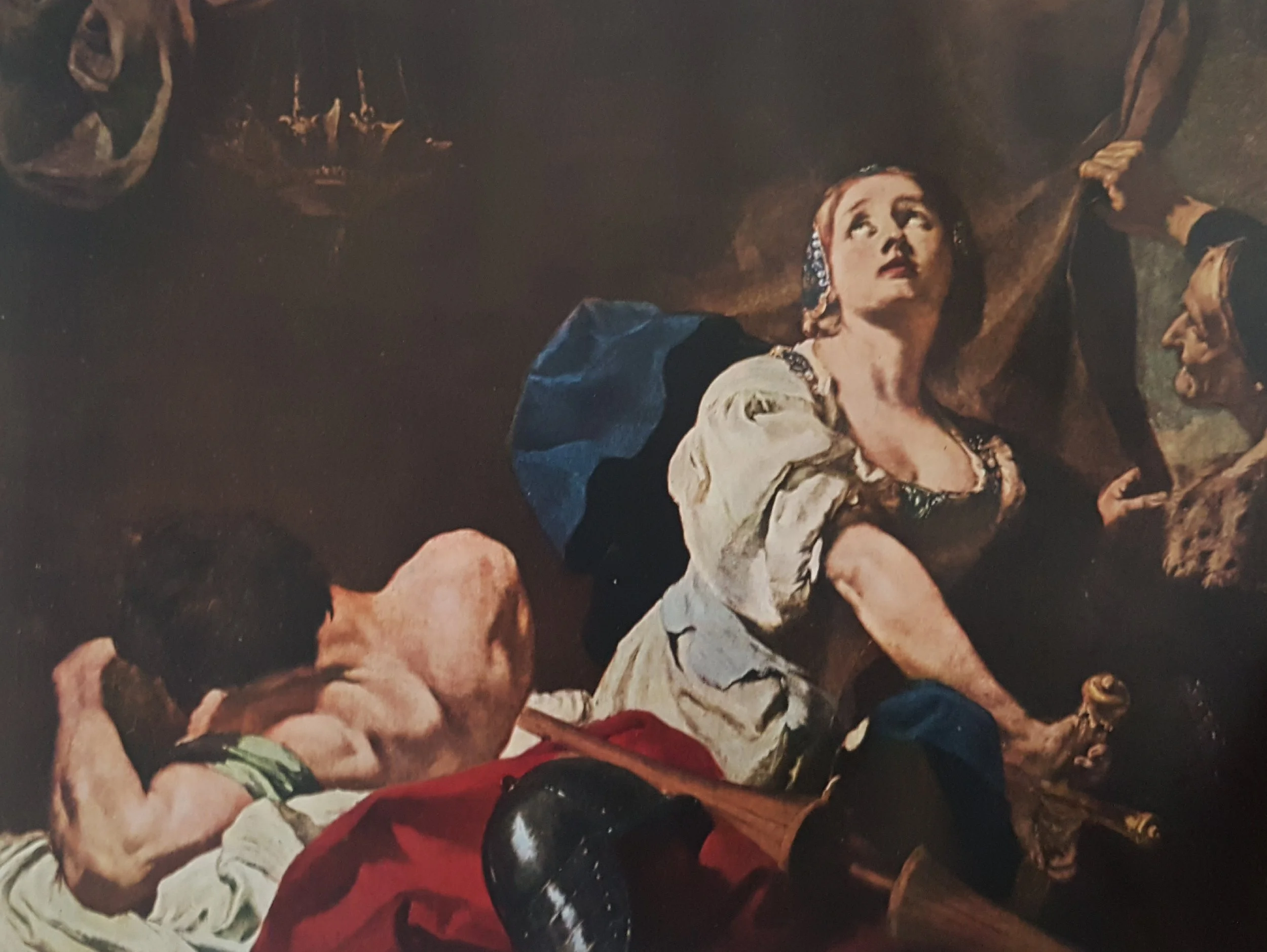
Fig. 18. Giovanni Battista Piazetta, Judith and Holofernes, 1735–8, oil on panel, 104 x 138 cm, Milan, Anna Bonomi-Bolchini
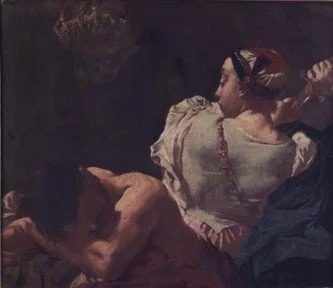
Fig. 19. Giovanni Battista Piazetta, Judith and Holofernes, 1738–42, oil on canvas, 80 × 94 cm. Rome, Accademia di San Luca
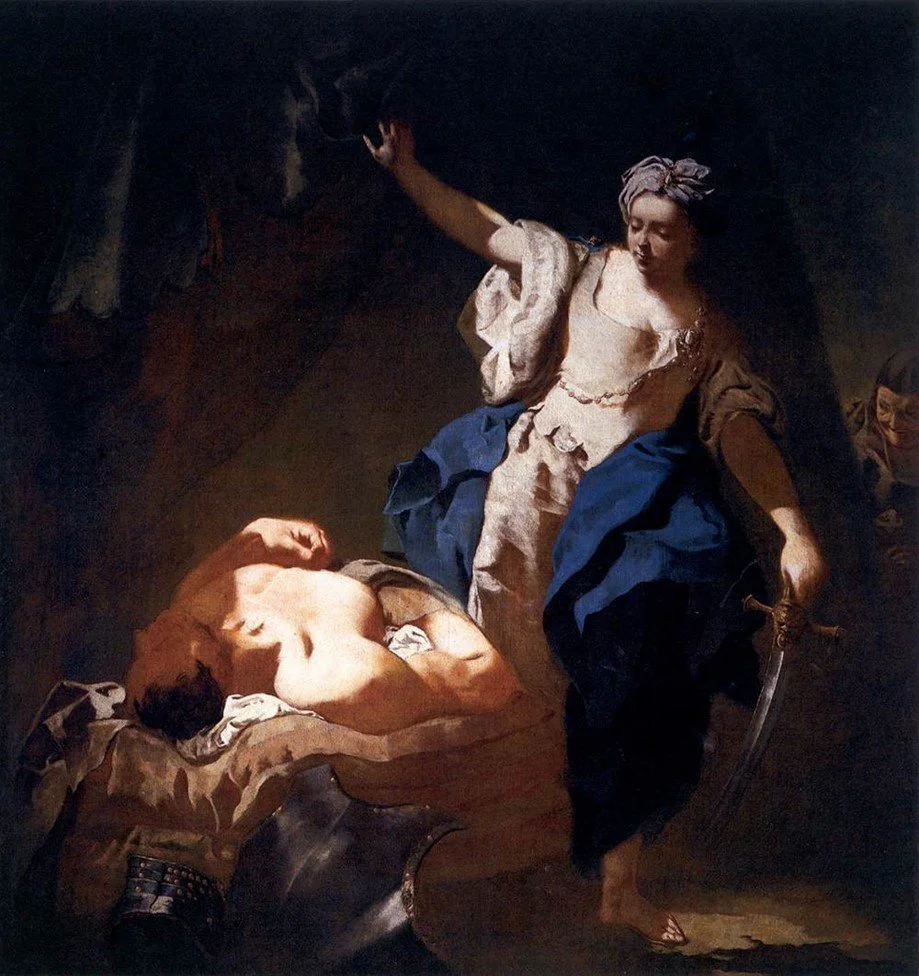
Fig. 19. Giovanni Battista Piazetta, Judith and Holofernes, 1738–42, oil on canvas, 80 × 94 cm. Rome, Accademia di San Luca
As far as I’m concerned, we are dealing here with an extraordinary and talented woman who was ahead of her time. It is high time that more research is carried out into her work. However, she is gradually receiving more attention in Venice itself. For example, four of her works were recently taken down from the walls of the Chiesa di San Marziale for restoration work (figs. 21, 22) . And that made the news in the local press!
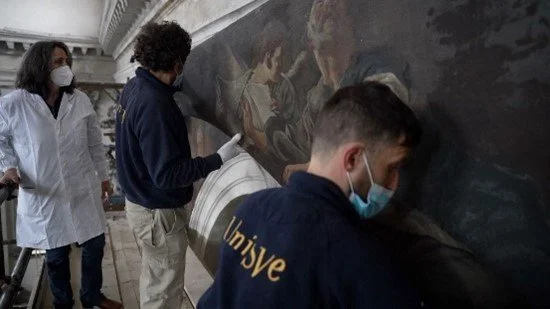
Fig. 21. Giulia Lama’s painting depicting the Two Evangelists – Saint Matthew and Saint Mark, the latter being the patron saint of Venice – is carefully removed from the wall.
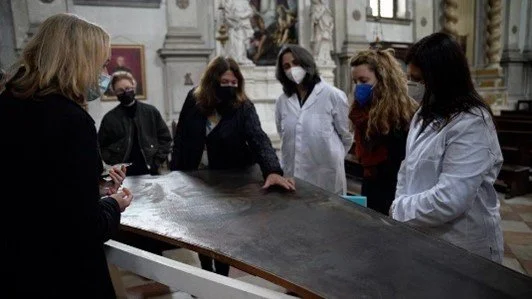
Fig. 22. Art historians – involved in the ‘Women Artists of Venice’ project, which seeks to identify and preserve the work of female artists in Venice – are examining this work by Giulia Lama.
Bibliography
Rodolfo Pallucchini, Di una pittrice veneziana del settecento: Giulia Lama, Florence, Leo S. Olschki, 1934.
G.B. Piazetta and the Academy. Drawings, ed. Mercedes Precutti-Garberi, Milan, Castello Sforzesco, 1971, (catalogue)
Giulia Lama, Paintings and Drawings, study and catalogues, ed. by Ugo Ruggieri, Bergamo, Monumenti Bergomensia, 1973
Hannelore Sachs, Ernst Bad Stübner, Helga Neumann, Christian Iconography in Keywords, Munich, Kösel Verlag, 1973.
Rodolfo Palluncchini, The Complete Works of Piazetta, Milan, Rizzoli, 1982
George Knox, Piazetta 1682–1754, Oxford, Clarendon Press, 1992, pp. 243
Marco Pitteri, Giambatista Albrizzi, Carlo Conte, Studies in the Painting of Giambatista Piazetta, Venice, Accademia di Belle Arti/Antiga Edizioni, 2015.
Caravaggio and Artemisia: Judith’s Challenge – Violence and Seduction in Painting between the Sixteenth and Seventeenth Centuries, ed. Maria Christina Terzaghi, Rome, Officina
Libraria, 2021, (catalogue of an exhibition held from 2 November 2021 to 27 March 2022 at the Palazzo Barberini Corsini in Rome)
Various websites, accessed between 28 February and 4 March 2023
https://www.gallerieaccademia.it/giuditta-e-oloferne-0 (March 2023)
https://it.wikipedia.org/wiki/Giulia_Lama
https://www.treccani.it/enciclopedia/giulia-lama_(Dizionario-Biografico)/
https://www.italianartsociety.org/2015/10/venetian-painter-giulia-lama-the-first-woman-known-to-draw-and-study-the-male-nude-from-a-live-model-was-born-on-this-day-in-1681/
https://www.bbc.com/news/entertainment-arts-61297129
List of figures
Fig. 1.
Taken from George Knox, p. 210.
Figs. 2–7
2. Ruggieri, p. 23
3. Ruggieri, p. 24
4. Riffieri, fig. 12, p. 17
5. Ruggieri, fig. 3, p. 11
6. Ruffieri, tav 184
7. ruggieri tav. 181
Fig. 8.
https://commons.wikimedia.org/wiki/File:Giulia_lama,_autoritratto,_1725.jpg
Fig. 9.
https://www.wga.hu/support/viewer/z.html
Fig. 10.
Reproduced from Rofolfo Pallunchini, plate III
Figs. 11–15.
Images reproduced from the catalogue accompanying the exhibition Caravaggio e Artemisia. La sfida di Giuditta
Figs. 16 and 0.
https://www.gallerieaccademia.it/en/judith-and-holofernes-0#&gid=1&pid=1
Fig. 17.
Image reproduced from Knox, p. 142
Fig. 18.
Reproduced from Palluncchini, plate XIV
Fig. 19.
Reproduced from Palluchini, plate XI
Fig. 20.
https://it.m.wikipedia.org/wiki/File:Scuola_Grande_dei_Carmini_-_Sala_dell%27Archivio_-_Giuditta_e_oloferne_-_Giambattista_piazzetta_1748.jpg
Figs. 21, 22.
https://www.bbc.com/news/entertainment-arts-61297129