
Elisabetta Sirani: painter of strong women
The story goes that Elisabetta Sirani (1638–1665) from Bologna, a painter who was highly successful and esteemed in her own time, was poisoned by a jealous maid. Her father managed to have the body of his then 27-year-old daughter exhumed from her grave in the San Domenica in Bologna for examination. The maid – Lucia Tolomelli – was punished and banished, but it later transpired that Elisabetta had died of peritonitis following a perforated stomach caused by a stomach ulcer. Her early death – according to art historians today – may also have been linked to an immense drive to work, which is thought to have taken its toll on her. In her short life, she produced no fewer than 170 to 200 paintings, of which 130 still survive. She also produced prints and countless drawings and sketches.
It is also said that her father – and her first teacher – Giovanni Andrea Sirani (1610–1670), the chief assistant to the famous Bolognese Baroque painter Guido Reni (1575–1642), was a money-grubbing painter who is said to have driven his daughter to produce such a high volume of work. He is said to have urged her to take on as many commissions as possible and to have kept the proceeds for himself. Yet another explanation for her high output is said to have been her speed of work. She was a popular portraitist and also produced much-praised allegorical and religious works. In short: we are talking here about a remarkable woman about whom I know next to nothing. It is high time to get to know her better.
The famous Guido Reni was also Elisabetta’s teacher, and it was from him that she learnt elegance and refined classicism, a style reminiscent of that of the Renaissance painter Raphael (1483–1520). She was also the first woman to master the art of engraving; by the age of sixteen, she was already an independent peintre-graveur. When her father was no longer able to work due to arthritis, Elisabetta, aged 25, took over his studio and its pupils, becoming the family’s breadwinner.
Bologna had other successful female artists, yet Elisabetta Sirani still faced suspicion. As a woman, was she really capable of producing such beautiful work? After all, could a woman really create work of such narrative complexity? Surely there must be a team of hidden male collaborators behind it all! To dispel these rumours, she invited (potential) clients from far and wide to her studio, so that anyone who wished to could see how she worked. Among them was Grand Duke Cosimo III de’ Medici (1642–1723). In 1664, he visited Elisabetta’s studio whilst she was working on a portrait of his uncle Leopoldo. He found it so beautiful that he decided on the spot to ask her to paint a Madonna for him. She completed the work that very same day, hoping it would be dry enough before the Grand Duke left following his afternoon visit.
Elisabetta proves to be an innovator when it comes to the portrayal of women in historical narratives. She chooses not to portray them as victims but as strong, empowered women. She focuses on the moment of triumph, as in her version of Judith and Holofernes: Judith triumphantly shows her people the severed head of the man who had oppressed them for so long (fig. 1).
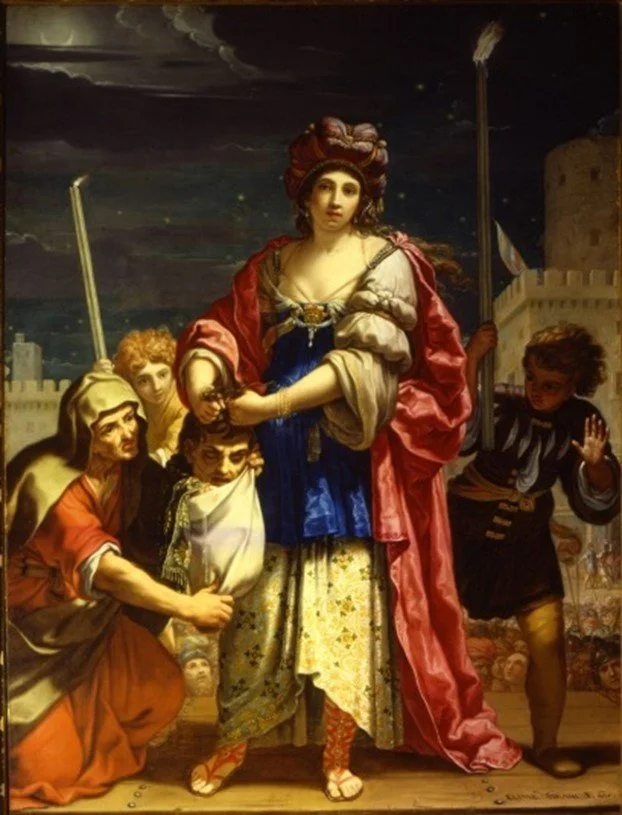
Fig. 1. Elisabetta Sirani, Judith Triumphant, 1658, oil on canvas, Stamford, Burghley House
And then there is the story of Timoclea. The Roman writer Plutarch (c. 46 – 119 AD) recounts her story in his Life of Alexander. When Alexander the Great captured Thebes in 335 BC, his troops plundered the city, during which one of his captains raped Timoclea. After this act, the captain asks her if there is any money hidden away. She tells him she knows where it is and lures him into her garden, telling him that the money is hidden in a well. When he then goes to look into the well, she pushes him over the edge and throws heavy stones after him, whereupon he dies. It is this moment of being thrown into the well that Elisabetta chooses to recount, portraying a powerful, very feminine woman who makes it clear that she is not to be trifled with. One might even detect a hint of triumph on her face (fig. 2).
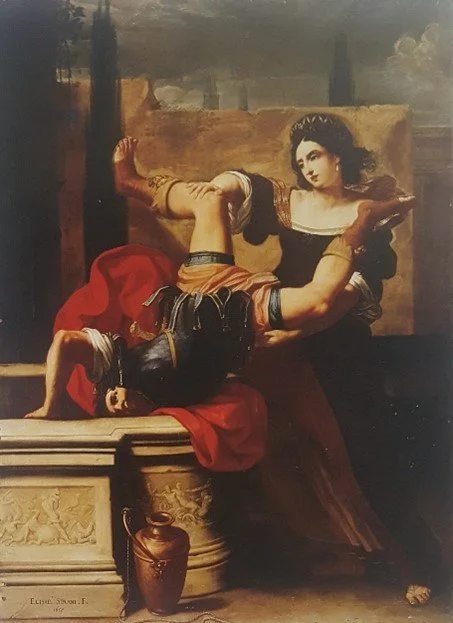
Fig. 2. Elisabetta Sirani, Timoclea pushes the Captain into the Pit, 1659, oil on canvas, 228 x 174.5 cm, Naples, Museo Capodimonte
This same story was depicted quite differently by her male colleague Domenichino (1581–1641). He chose to depict the moment when Timoclea, together with her family, was arrested and brought before Alexander the Great. Here, too, she is not portrayed as a victim; in fact, she appears somewhat fearless, whilst her children are in a state of great fear (fig. 3). Ultimately, Alexander the Great would not punish her for this murder.
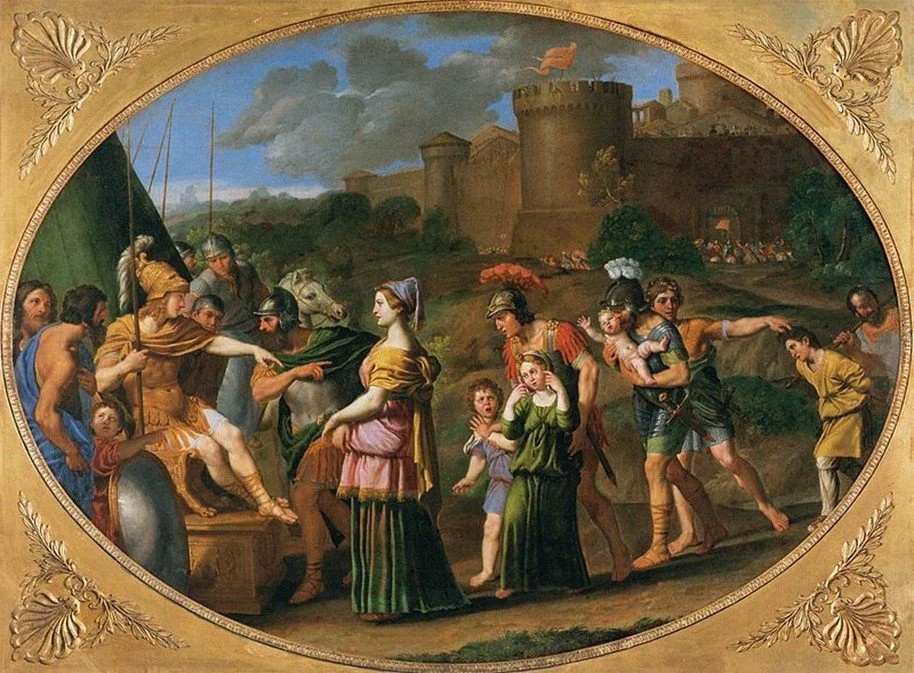
Fig. 3. Domenichino, Timoclea is presented to Alexander the Great, 1610, oil on canvas, 113 cm × 115,3 cm, Paris, Louvre
The French printmaker León Davent took a very different approach in 1543. He also chose the moment when Timoclea was brought before Alexander, but depicted her naked. This is a rather humiliating pose (fig. 4).
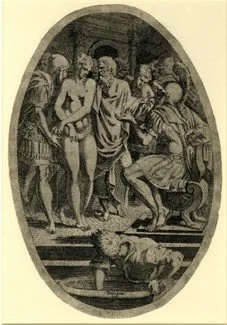
Fig. 4. Léon Davent, Soldiers Bringing the Naked Timoclea before Alexander the Great (who is seated on a throne in the foreground), c. 1543, etching, 24 x 23 cm, London, British Museum
Elisabetta also constructs her version in a highly intelligent manner. She embellishes the well in the painting with two painted reliefs. The first depicts the battle between the Lapiths and the Centaurs, a story from Greek mythology about the abduction of women during a wedding feast. The other depicts Galatea, the nymph from Ovid’s Metamorphoses, who, according to the story, will triumph. According to art historian Amy Golahny, Galatea symbolises beauty and strength, and both subjects represent the conflict between the power of reason and base instincts. By incorporating these two stories into this work, Elisabetta demonstrates to her colleagues and patrons that she is a well-read woman.
Incidentally, Golahny notes that Elisabetta Sirani is not the first to depict the story of Timoclea in this way, as had long been thought. In 2011, Golahny discovered, in a German historical chronicle from 1629 – which has been reprinted several times – an engraving by a Swiss engraver, Matthaës Merian (1593–1650), who made a similar choice regarding the theme of Timoclea (fig. 5). As Elisabetta had many contacts throughout Europe, it is quite possible that she saw this image and was inspired by it. We do not know.
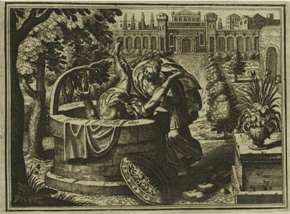
Fig. 5. Matthäus Merian, Timoclea Kills the Captain, an engraving in J. L. Gottfried’s historical chronicle, a history of the world, written in German and first published in 1629–30
Another work in which Elisabetta Sirani chooses to portray the main character powerfully in Porcia Wounds Her Thigh from 1664. Once again, it is the Roman writer Plutarch who records this story, and it has never before been depicted in this way. Porcia (c. 70 – 42 BC) – a Roman woman – is the second wife of Brutus, a man she loves deeply and who will go on to assassinate Julius Caesar. He is a man with many secrets, and Porcia wishes to prove to him that he can trust her at all times. She demonstrates this by wounding herself with a knife. Brutus is so deeply moved by this act of love that from that moment on, he keeps no secrets from her. That is the story, though it does not specify where on her body Porcia inflicts the wound
Elisabetta decides that Porcia should cut her thigh. Porcia is therefore doing something very brave. This is quite different from what the three chattering maidservants in the background on the left are doing. What might Elisabetta have meant by this? (fig. 6).
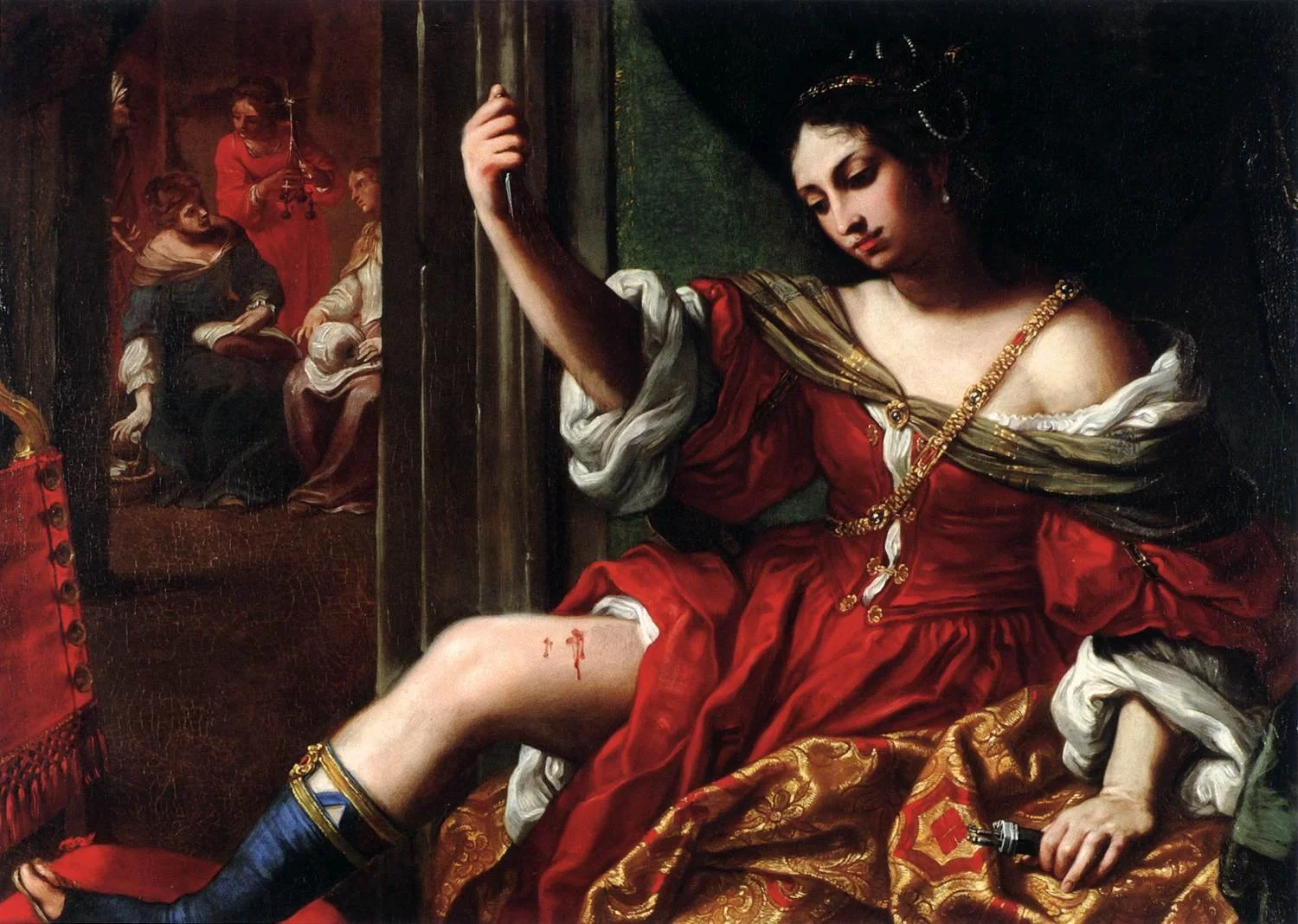
Fig. 6. Elisabetta Sirani, Porcia wounds her Thigh, 1664, oil on canvas, 101 x 138 cm, Houston, Stephen Warren Miles and Marylin Ross Miles Foundation
A much earlier version of this subject was painted by Ercole de’Roberti (c. 1450–1496) from Ferrara. He depicts the couple together and gives Porcia a small wound on her foot as a reference to her courageous act of love (fig. 7).
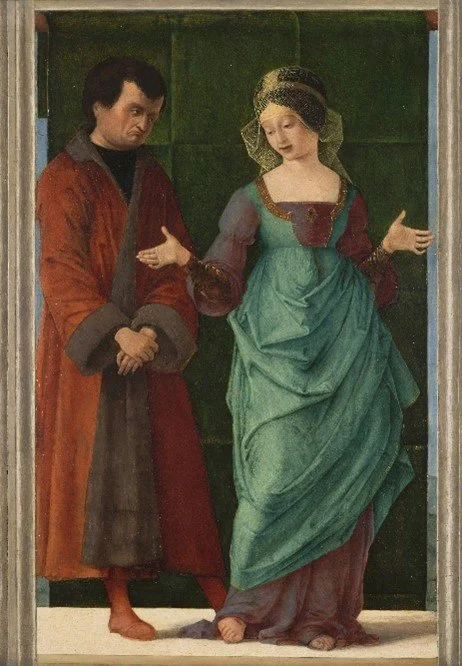
Fig. 7. Ercole de’Roberti, Brutus and Porcia, c. 1488, tempera, possibly oil and gold leaf on panel, 48.7 × 34.3 cm, Texas, Fort Worth
Later, Brutus is taken prisoner and will never return. Porcia then chooses death by – as the story goes – swallowing hot coals. Artists have usually chosen to depict this moment. The act of swallowing those hot coals makes it a powerful story. It is now thought that Porcia died because lit coals in a small space produced too much carbon monoxide, which she is believed to have inhaled (Figs. 8, 9).
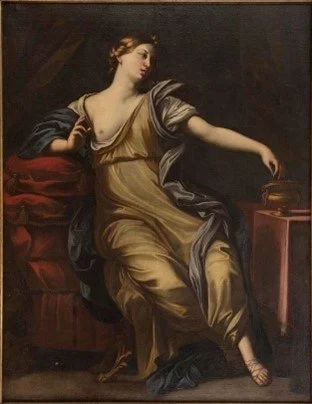
Fig. 8. Probably from the studio of Guido Reni, Porcia Kills Herself, 17th century, oil on canvas, 190,5 x 145 cm, location unknown. Note the small dish of hot coals on the table on the right.
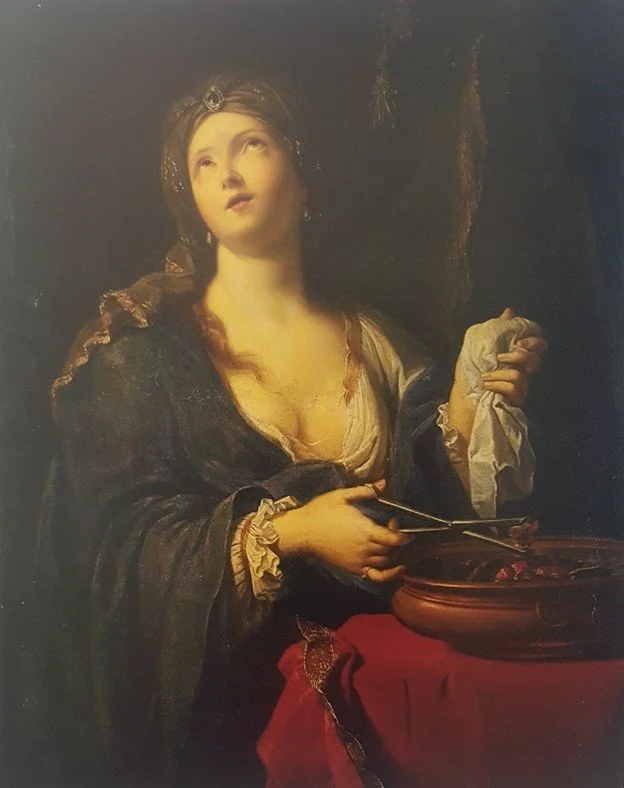
Fig. 9. Pierre Mignard, Porcia Kills Herself, 17th century, oil on canvas, Rennes, Museum of Fine Arts. Porcia uses tongs to take a hot coal from a dish.
Elisabetta also opts for an unconventional visual motif for her Cleopatra. The Roman soldier, scholar and amateur scientist Pliny the Elder (? – 79 AD) writes in his famous work Natural History about the incident in which Cleopatra made a wager with Mark Antony. She claims she can spend 10,000,000 sesterces – an ancient currency and a vast amount of money – on a dinner. Mark Antony accepts the wager because it seems impossible to him. Cleopatra then removes an extremely expensive pearl from her earring, places it in a cup of vinegar, and after a while the pearl dissolves. She then drinks the mixture, thereby winning the bet. Elisabetta paints Cleopatra at the very moment she places the pearl in a small dish of vinegar (fig. 10). She must have read Pliny carefully. The story of the dissolved pearl seems like a fabrication, but research shows that a pearl can indeed dissolve in vinegar, although it takes much longer than Pliny suggests.
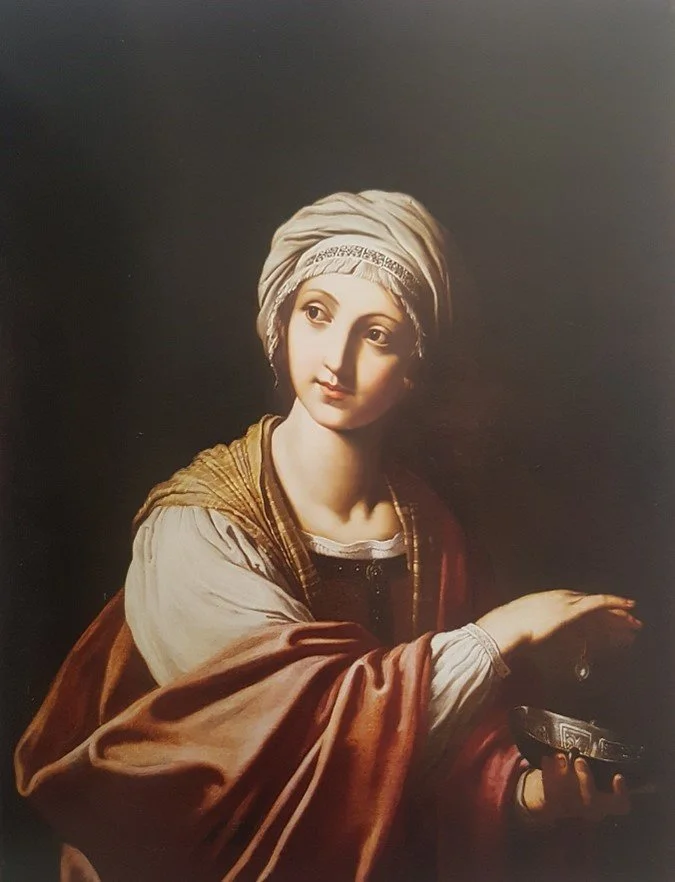
Fig. 10. Elisabetta Sirani, Cleopatra, oil on canvas, date unknown, 94.3 x 74.8 cm, Flint (Michigan), Flint Institute
In fact, artists much more often depict the moment when Cleopatra takes her own life by – as the story goes – allowing herself to be bitten by a snake (fig. 11). That story, incidentally, turns out to be incorrect: she killed herself by ingesting poison.
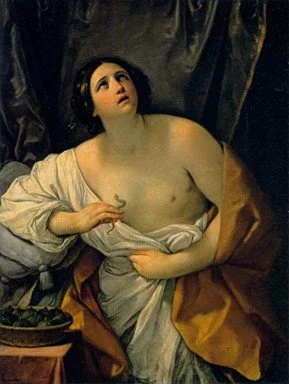
Fig. 11. Guido Reni, Cleopatra, c. 1637, oil on canvas, Florence, Palazzo Pitti. Reni was Elisabetta’s teacher.
Elisabetta Sirani’s subjects are therefore women, whether secular or sacred, mythological or allegorical: abstract ideas depicted in a symbolic representation (figs. 12, 13). She does not portray women who face male aggression as victims, but as powerful women. In this respect, she bears some resemblance to Artemisia Gentileschi’s (1593–1653) depiction of powerful, active women. She learnt about these women by studying ancient texts and reading manuals from her father’s library, including the Old Testament, Plutarch’s Lives and Cesare Ripa’s 1593 book Iconologia, which contained illustrations of all manner of allegorical subjects – with a moralistic edge – and was very popular in the sixteenth and seventeenth centuries.
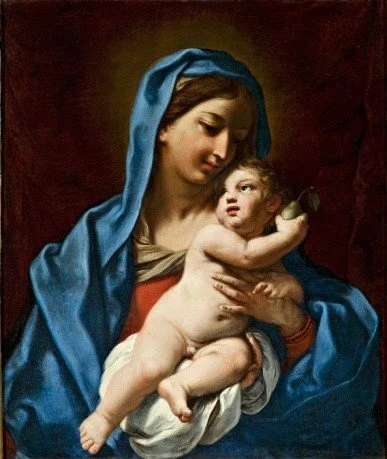
Fig. 12. Elisabetta Sirani, Madonna with the Pear, 1664, oil on canvas, Faenza, Pinacoteca Comunale
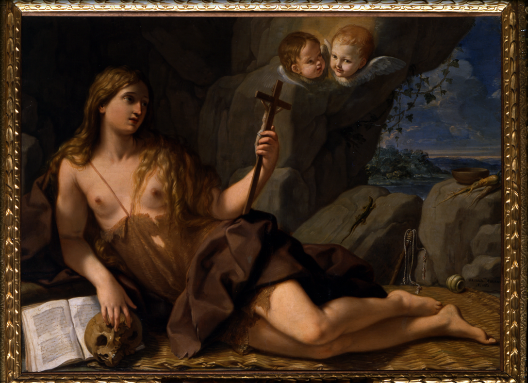
Fig. 13. Elisabetta Sirani, The Penitent Magdalene, 1660, oil on canvas, Bologna, Pinacoteca Nazionale
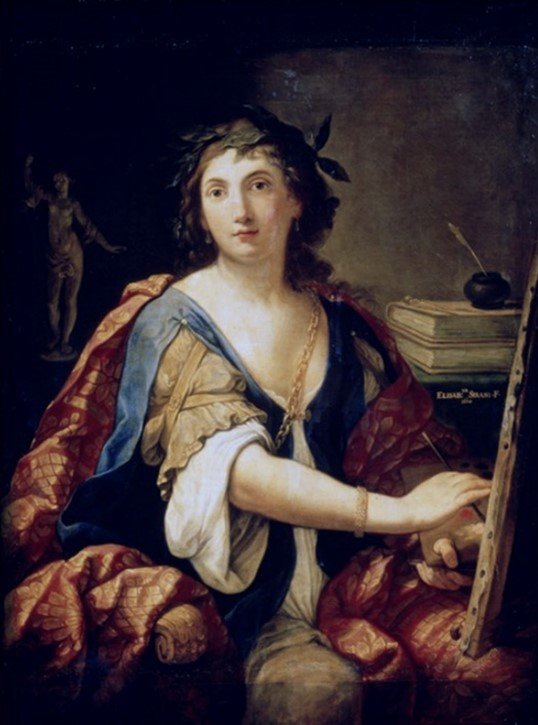
Elisabetta also painted herself on a number of occasions, always with a double meaning. For example, as an allegory of painting, in which she depicts herself as a learned lady from the elite in her studio, surrounded by the attributes of painting: the easel, the brush and the plaster torso in the background on the left, as a reference to the academic tradition. The books in the background on the right symbolise her erudition. She also depicts herself as a female heroine from Homer’s Iliad – Circe – who receives Odysseus as a guest on her island of Aeaea, a mythical island in the Mediterranean (figs. 14, 15). And she painted also her patrons in allegorical settings (fig. 16).
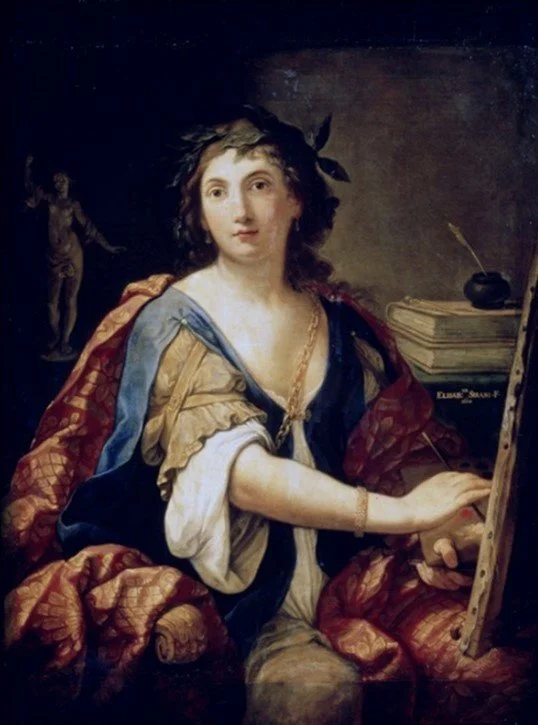
Afb. 14. Elisabetta Sirani, Zelfportret als allegorie van de schilderkunst, 1658, olieverf op doek, 114 x 85 cm, Moskou, Pushkin Museum
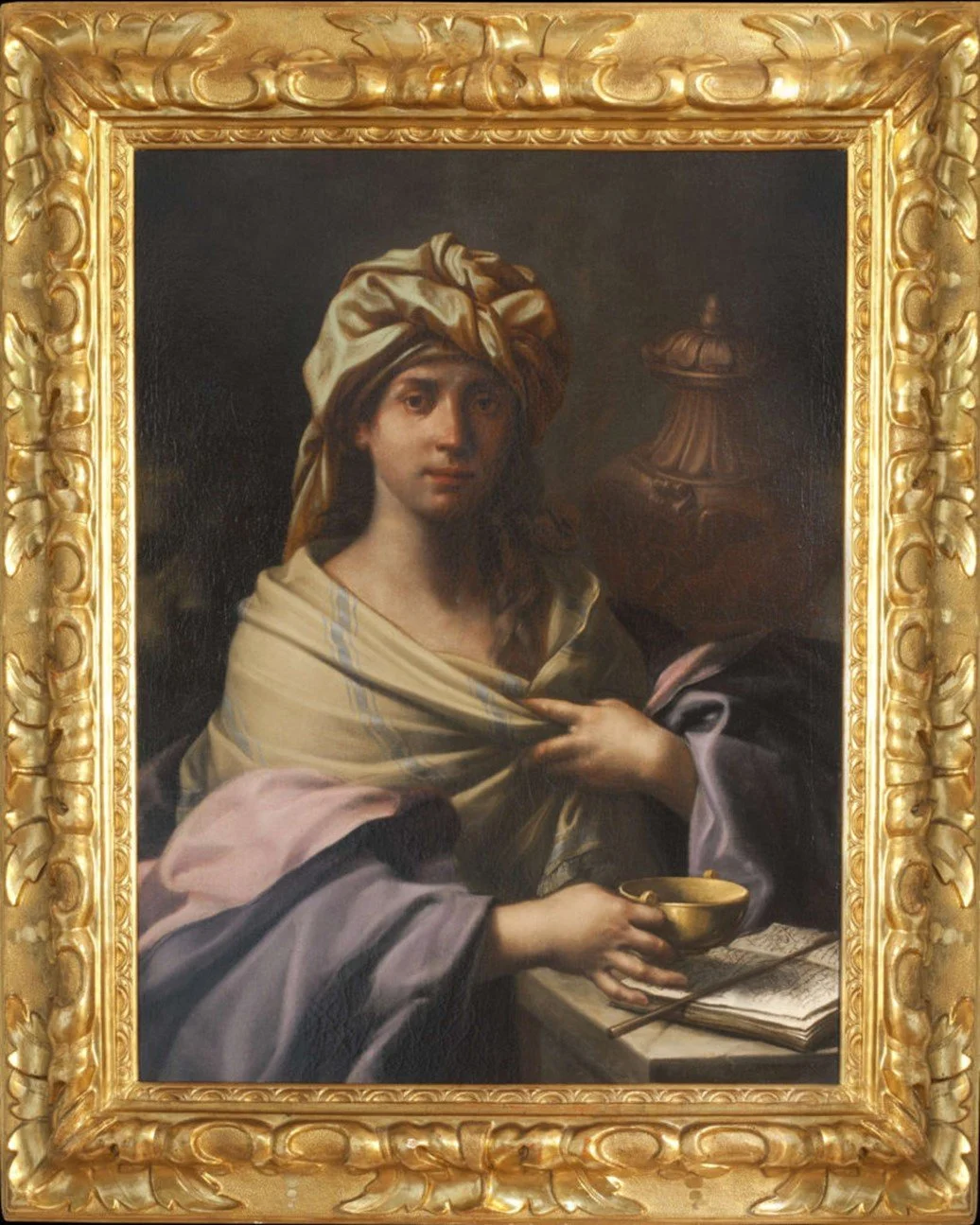
Fig. 15. Elisabetta Sirani, Self-Portrait as Circe, c. 1664, oil on canvas, Modena, Loris Zanasi Collection
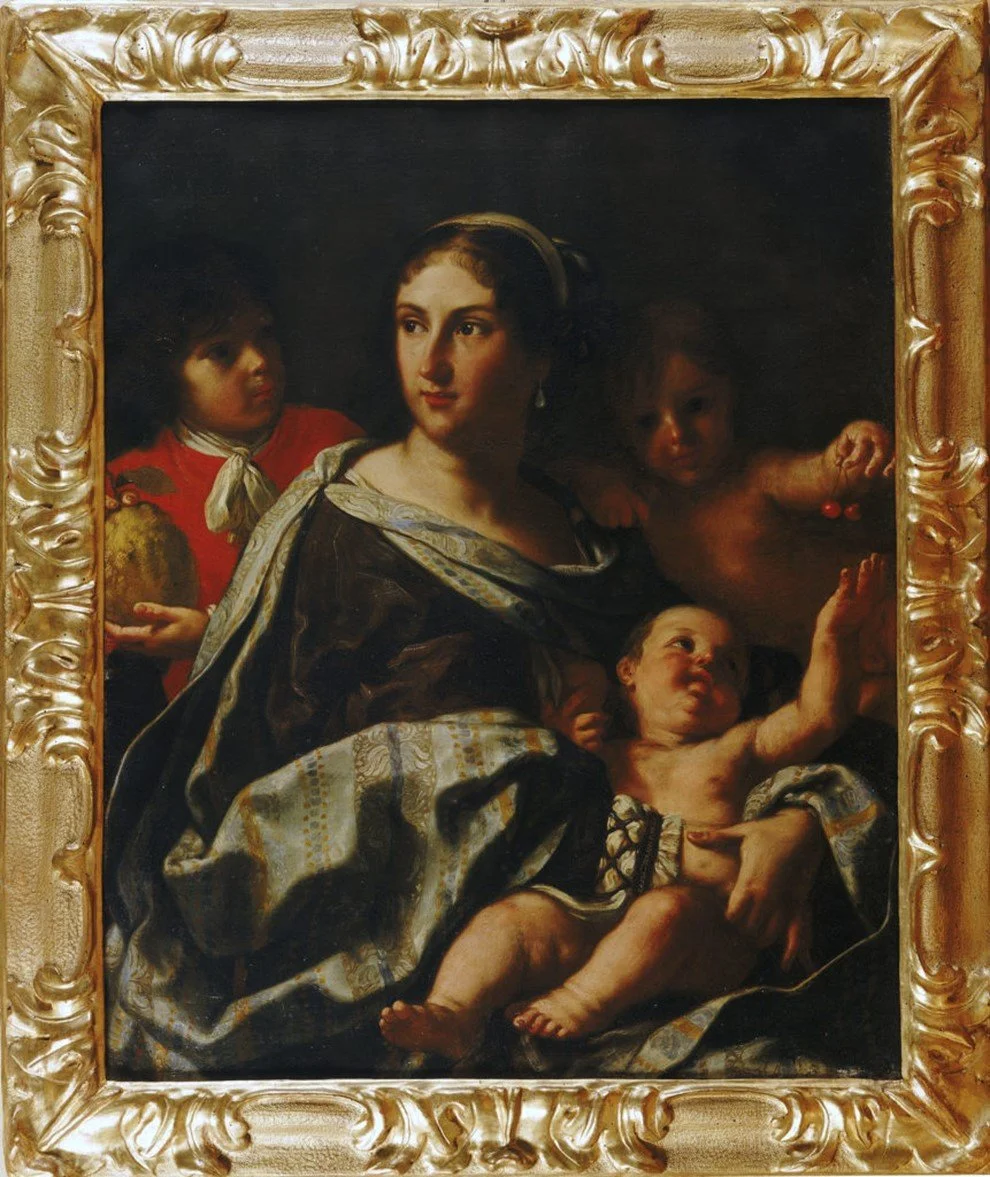
Fig. 16. Elisabetta Sirani, Anna Maria Ranuzzi Marsigli depicted as Charity, 1665, oil on canvas, Bologna, Fondazione della Cassa di Risparmio
In short, Elisabetta Sirani was not just any artist. She lived in an era when women had few opportunities to build a professional career. However, she was fortunate enough to live in Bologna, a progressive city with a liberal attitude towards women’s education. The city was also renowned for its tradition of women who had studied and subsequently gone on to teach and publish. Because her father was an artist – often the only way for a woman to become a professional artist – she was able to establish herself more easily in Bologna as both a painter and a printmaker within a male-dominated profession than she would have been elsewhere. It was the mid-seventeenth century, the era of the Counter-Reformation and the Baroque, with its theatrical style and narrative visual language. Artists were commissioned by the Church to produce works intended to bring the people back to the ‘true’ faith. And many patrons from the bourgeoisie wished to acquire devotional works for private use.
Elisabetta also opened a studio for girls and developed a pedagogical model based on the female tradition, so that her pupils learnt to draw and paint from a female teacher, rather than from their father or husband. In doing so, she became a role model for subsequent generations of female artists. Her mentor and biographer, Count Carlo Cesare Malvasia (1616–1693), wrote in 1678, thirteen years after Elisabetta’s death, that there had been “many women and young girls who have followed, and continue to follow, the example of this distinguished painter”. He named eleven women who worked as professional artists in Bologna or elsewhere in Italy.
Elisabetta never married and was therefore able to pursue her passion. She was a single professional, a new social category. She was admitted as a member (pittrice accademica) to the Academy of Saint Luke in Rome, which means that, in her day, she was fully accepted as an equal within the male-dominated stronghold of the art world. Women had been accepted as members as early as 1607, although this did not mean they had the same opportunities to develop as artists. Women were still not permitted to attend theoretical lectures, nor was academic training – particularly the drawing of the (male) nude – accessible to them. This did not prevent Elisabetta from being highly productive.
She was admired for her technical bravura and artistic virtuosity. The Florentine painter Baldassare Franceschini (Il Volterrano, 1611–1689), who saw her at work in 1662, said that she had “the finest brushwork in Bologna at that time”. Her style was described as ‘masculine’, which was certainly considered a compliment at the time. She was thus the first female artist to receive public recognition from colleagues and critics and to be regarded as a female virtuoso with an artistic creative drive which, until then, was thought to be something women did not possess.
One of Elisabetta’s famous religious works is The Baptism of Christ from 1657, commissioned by an abbot. It is an immense work measuring 5 by 4 meters, possibly the largest canvas painted by a woman in the early modern period. This work was part of a cycle depicting the life of Christ, created by some of Bologna’s leading artists. Elisabetta was only nineteen when she began this work and was the only woman in this group of artists. It marked her public debut in Bologna and proved to be a turning point in her career (fig. 17).
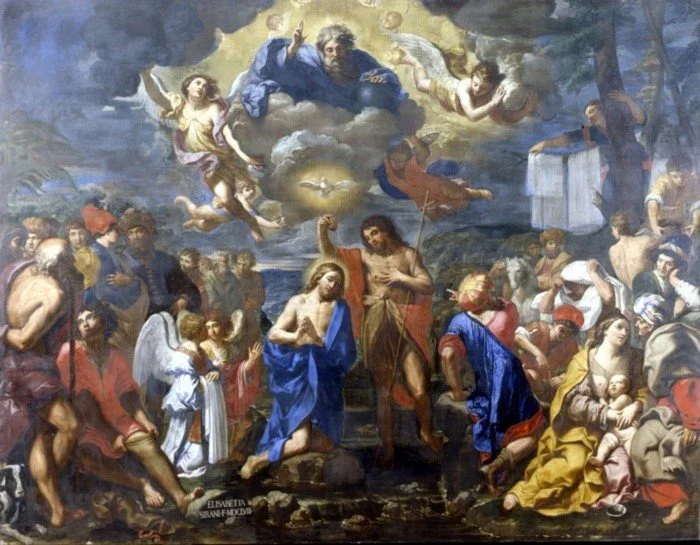
Fig. 17. Elisabetta Sirani, The Baptism of Christ, 1658, oil on canvas, 500 x 400 cm, Bologna, San Girolamo
Her patrons included doctors, lawyers, priests and cardinals, scientists, noblewomen, senators, bankers, merchants and artists. They came from all walks of life in Bologna. By around 1662, she had reached artistic maturity and became one of the most sought-after cultural figures in Bologna. She was also known and loved beyond the country’s borders.
She was invited to courts by royalty in Italy and throughout Europe, such as the De’Medici, the Duchess of Bavaria and the King of Poland. All wished to own a painting by her. Even during her short life, her works were already found in European collections. She kept a meticulous record of these contacts and the resulting commissions in a diary entitled Notes on the Paintings Made by Me, Elisabetta Sirani (1655–1665), which the biographer Malvasia later published in his Felsina Pittrice (Lives of the Bolognese Painters) in 1678. She described the subject matter and her ideas regarding the composition and interpretation of works by 110 of her clients, who enthusiastically promoted her within their own circles.
Following her untimely death – at the age of 27 – the whole city of Bologna was in deep mourning (fig. 18).
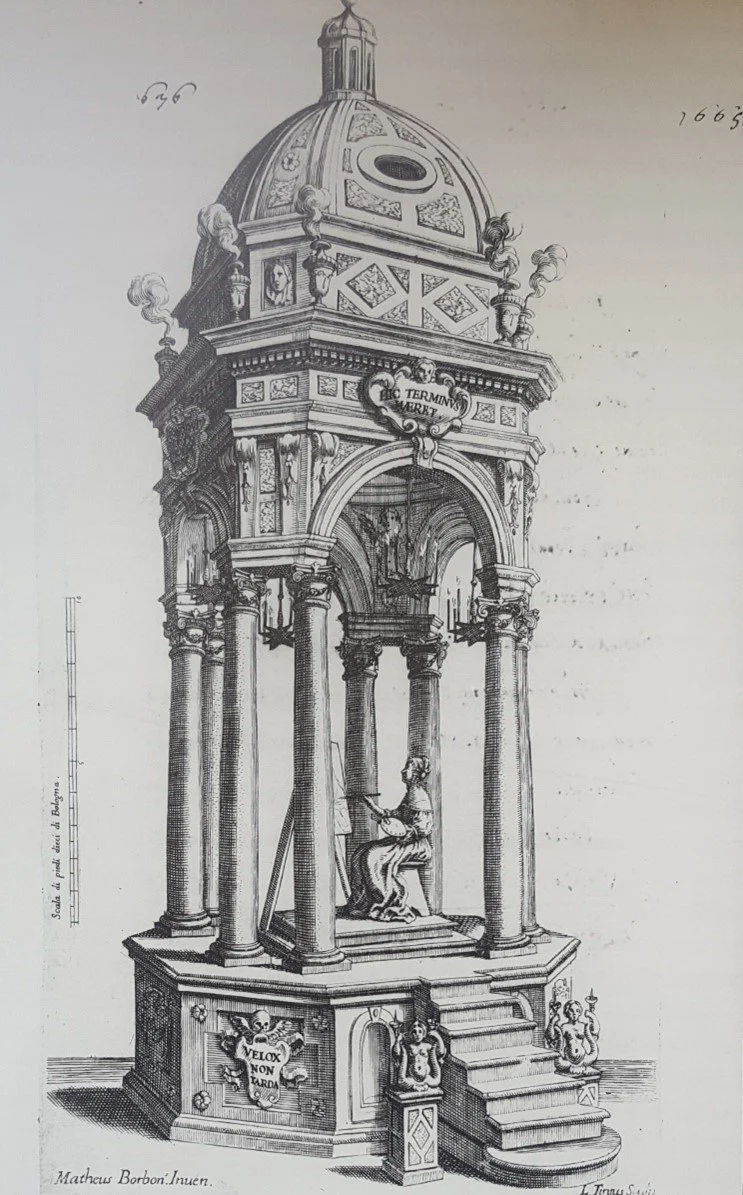
Fig. 18. Lorenzo Tinto, Tempio d’onore, funeral catafalque of Elisabetta Sirani, etching in A. Ghiselli, ‘Memorie manoscritte di Bologna’, ms. 770, vol. XXXIV, 1665, Bologna, Biblioteca Universitaria. Etching commissioned after her death in 1665 and included in a memorial book.
Sources:
A. Modesti, Elisabetta Sirani, una viruosa del seicento bolognese, Bologna, Editrice Compositori, 2004.
Amy Golahny, ‘Elisabetta Sirani’s Timoclea and Visual Precedent’, in Source, 30 (2011), pp. 37-42
file:///C:/Users/M%C3%A9lanie%20Struik/Downloads/Golahny-Timoclea-SOURCE-2011.pdf
Elisabetta Sirani of Bologna (1638–1665), by wpengine | Nov 2, 2020 | News/Blog | 0 comments. Guest post by Adelina Modesti, Honorary Senior Fellow, University of Melbourne, drawn from her article, “Maestra Elisabetta Sirani ‘Virtuosa del Pennello,’” Imagines, 2 (2018, August), 84–96.
https://artherstory.net/elisabetta-sirani/
https://en.wikipedia.org/wiki/Elisabetta_Sirani
https://scientias.nl/cleopatra
Cleopatra’s Pearls – Classical Journal 52:193-201 (1957)
https://penelope.uchicago.edy/Thayer>journal
Images:
Unless otherwise stated, the images are taken from
A. Modesti, Elisabetta Sirani, una viruosa del seicento bolognese, Bologna, Editrice Compositori, 2004.
Afb. 3: https://commons.wikimedia.org/wiki/File:Timoclea_Before_Alexander_the_Great_by_Domenichino.jpg
Afb. 5. https://www.google.com/search?q=merian+timoclea&tbm=isch&ved=2ahUKEwi58P-l97L6AhVJC-wKHTiVAIIQ2-cCegQIABAA&oq=merian+timoclea&gs_lcp=CgNpbWcQA1CvAlivAmDkCmgAcAB4AIABb4gBuAGSAQMxLjGYAQCgAQGqAQtnd3Mtd2l6LWltZ8ABAQ&sclient=img&ei=h9oxY_mQJsmWsAe4qoKQCA&bih=559&biw=1172#imgrc=hYfkVp-aNuHJqM
Afb. 6. https://commons.wikimedia.org/wiki/File:Elisabetta_Sirani_-_Portia_wounding_her_thigh.jpg
Afb. 9. https://it.wikipedia.org/wiki/File:Ercole_de%E2%80%99_Roberti_-_Portia_and_Brutus_-_Google_Art_Project.jpg
Afb. 11. https://commons.wikimedia.org/wiki/File:Guido_Reni_-_Cleopatra_-_WGA19301.jpg
https://www.laphamsquarterly.org/roundtable/artist-paints-herself


